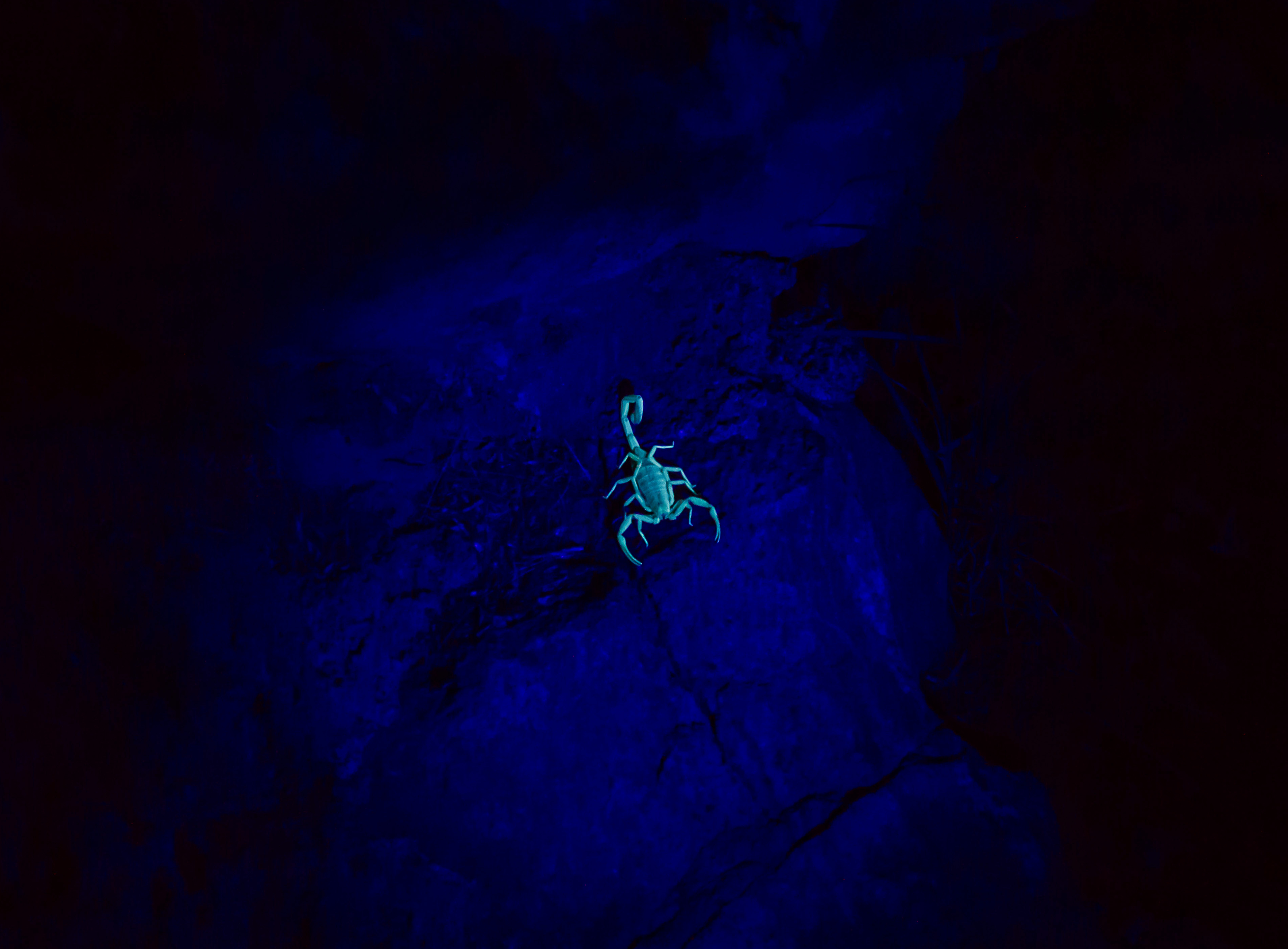
This photo was taken at Phantom Ranch, at the bottom of the Grand Canyon. Each evening at Phantom Ranch there is a park ranger program on the canyon: about the wildlife of the canyon, the history of the canyon, etc. After the program is finished and it is completely dark, it is time to go scorpion “hunting” in the mule corral. The pillars of the corral absorb the heat of the sun beating down during the day, so the scorpions like to spend the evening on the pillars to keep warm at night. We managed to see a couple scorpions, just enough to experience seeing them, but not so many to be too freaked out about there being scorpions everywhere in the canyon that we are oblivious to.
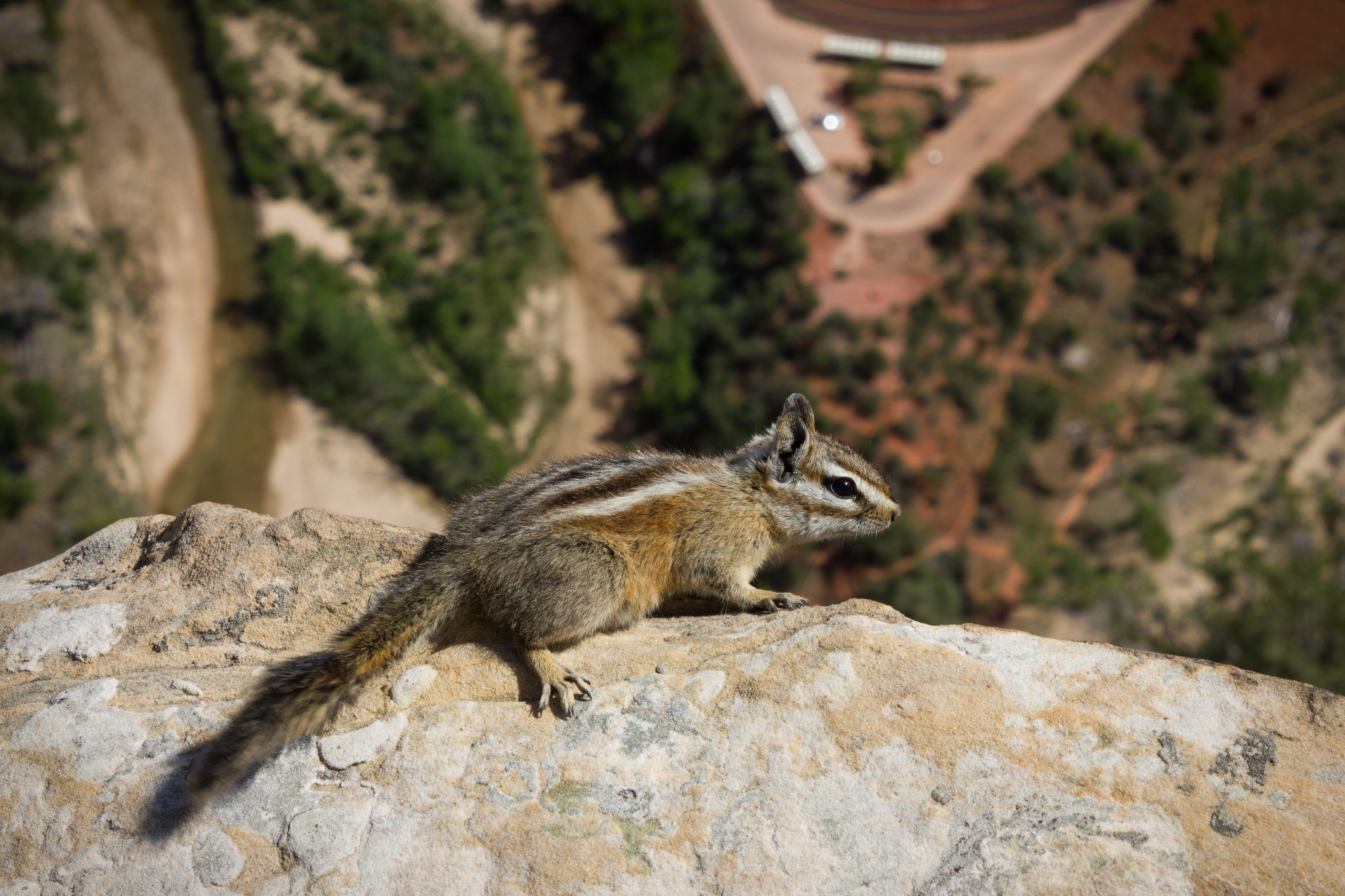
This photo was taken from the top of Angel’s Landing, one of the more popular hikes in Zion National Park. After reaching the top, we took in the views for a couple minutes then found a place to sit and enjoy a snack. The chipmunks in Zion have clearly learned that hikers are a good source of food, as they have no fear approaching people or their backpacks to try and find something to eat. This particular chipmunk was especially brave, not only because he scurried around inches from the edge of a cliff that dropped off thousands of feet, but because he had no problem running across the backpack which was literally inches in front of me. Sadly for him, his quest to find a snack was unsuccessful.
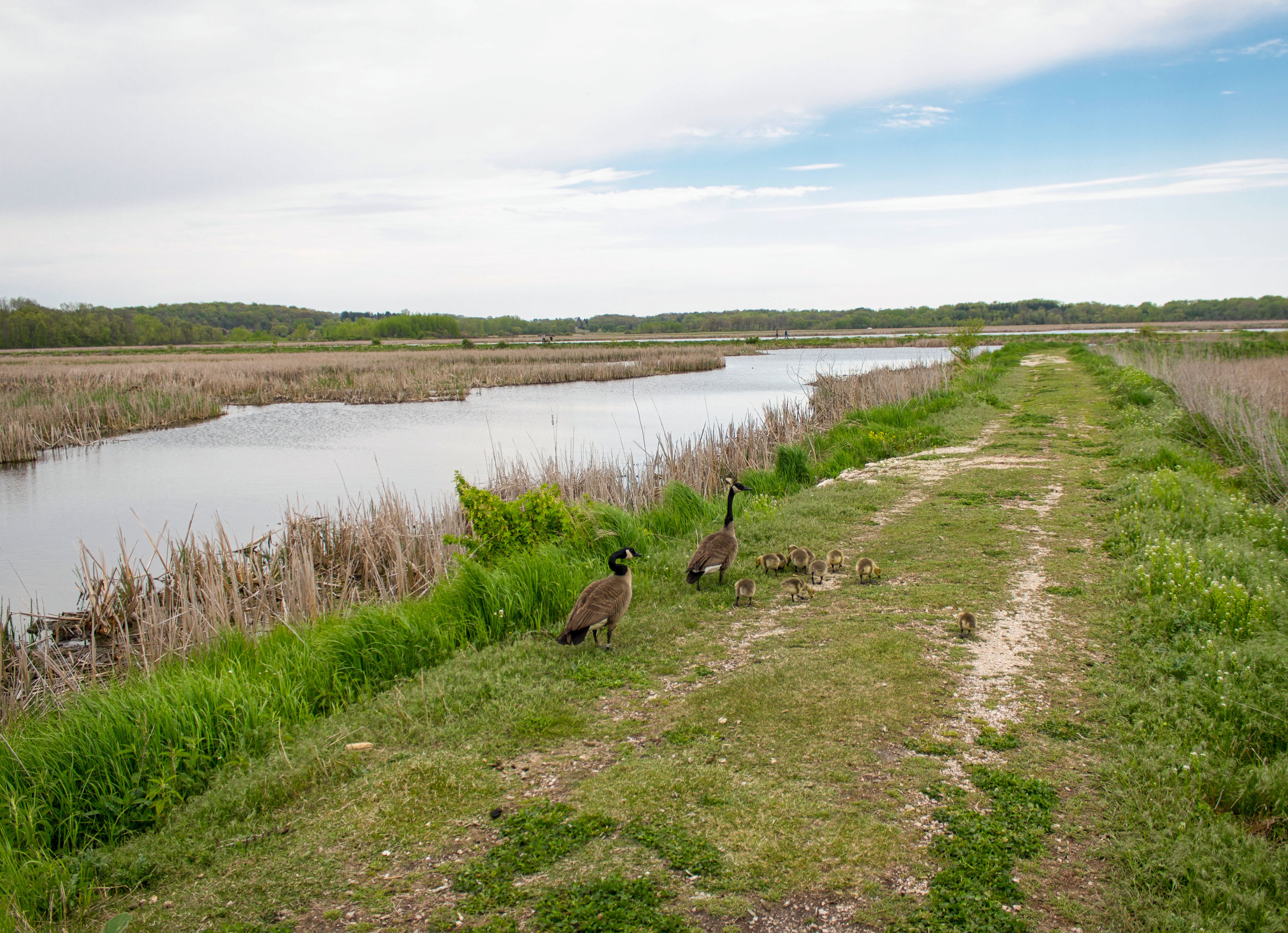
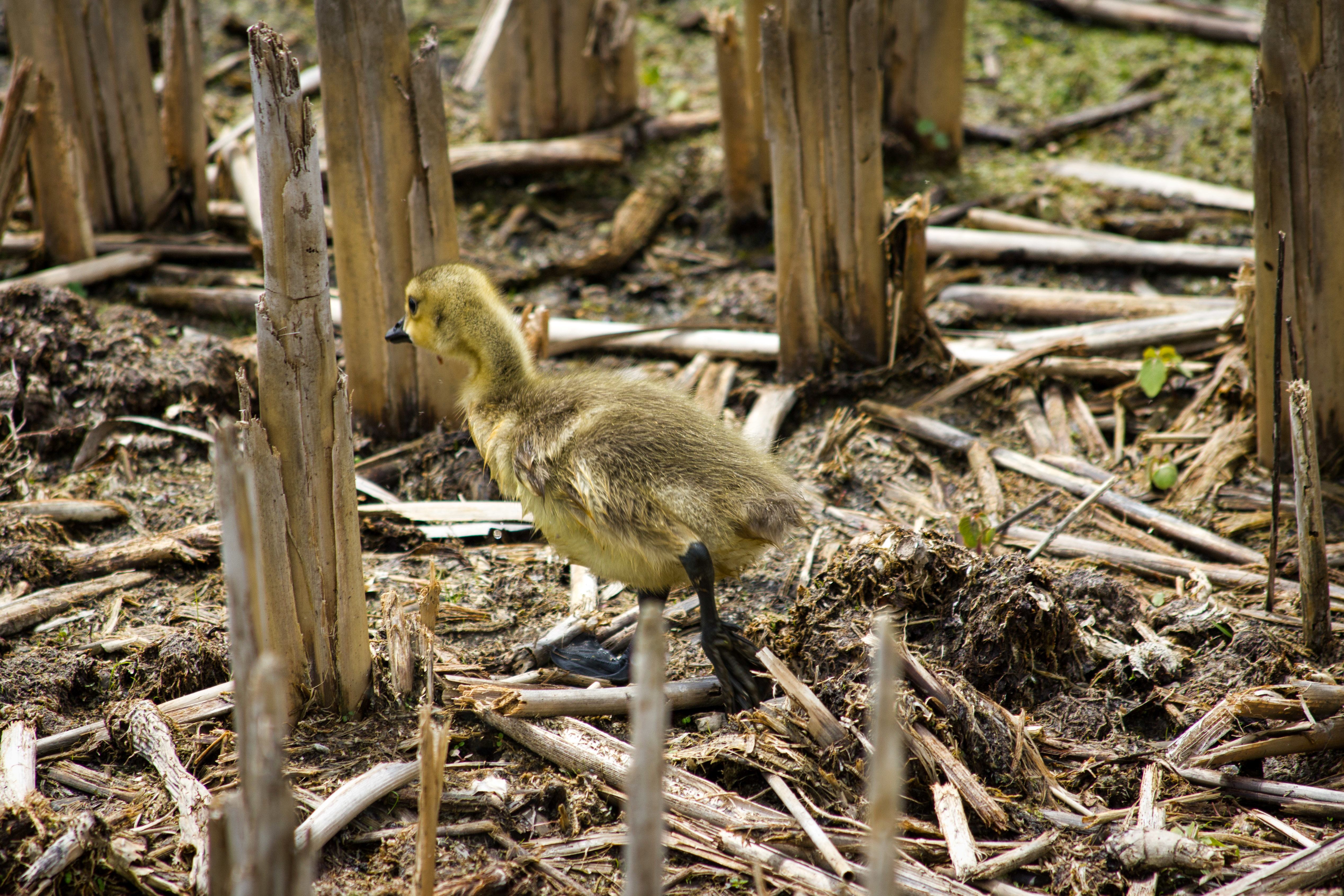
Horicon Marsh is the largest freshwater cattail marsh found in the United States. The Marsh is divided into a State Wildlife Area and a National Wildlife Refuge. One of the highlights of the marsh is that it is a popular birding location during the spring and fall migrations. This photo was taken on a weekend in late spring along one of the trails near the Visitor’s Center in the State Wildlife Area. The marsh was filled with tons of geese, including this family which decided to take a leisurely stroll along the trail, the goslings busy trying to find something to eat while the parents kept an eye on the surroundings. While it was fun to watch, it also meant that we had to wait until the geese finally got off the trail to continue our hike since we did not want to disturb them.
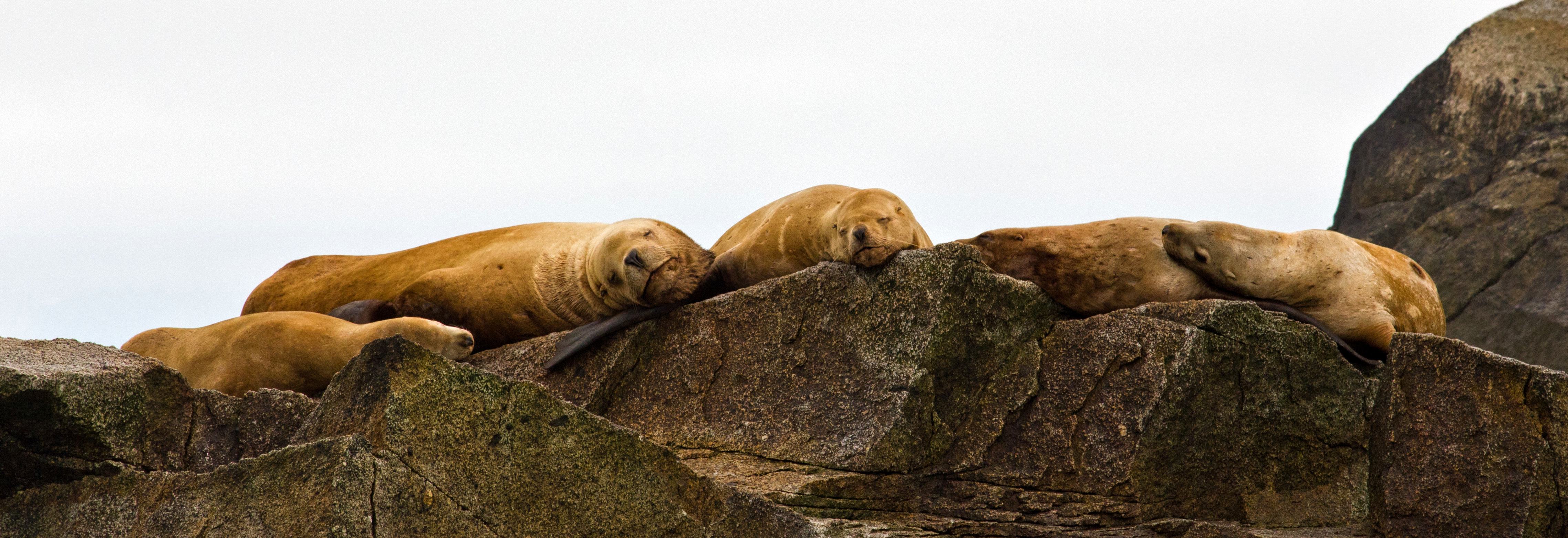
This photo was taken up in Alaska on a boat tour into Kenai Fjords National Park. We saw lots of animals during the tour including seals, sea otters, puffins, bald eagles, and porpoises. We also saw these sea lions napping on the rocks of one of the islands we passed by. Sea lions seem to have a pretty good life and these ones seemed quite comfortable as we passed by them. While I could definitely handle having afternoon naps like these guys, I’m not sure I could get used to sleeping on a rock…
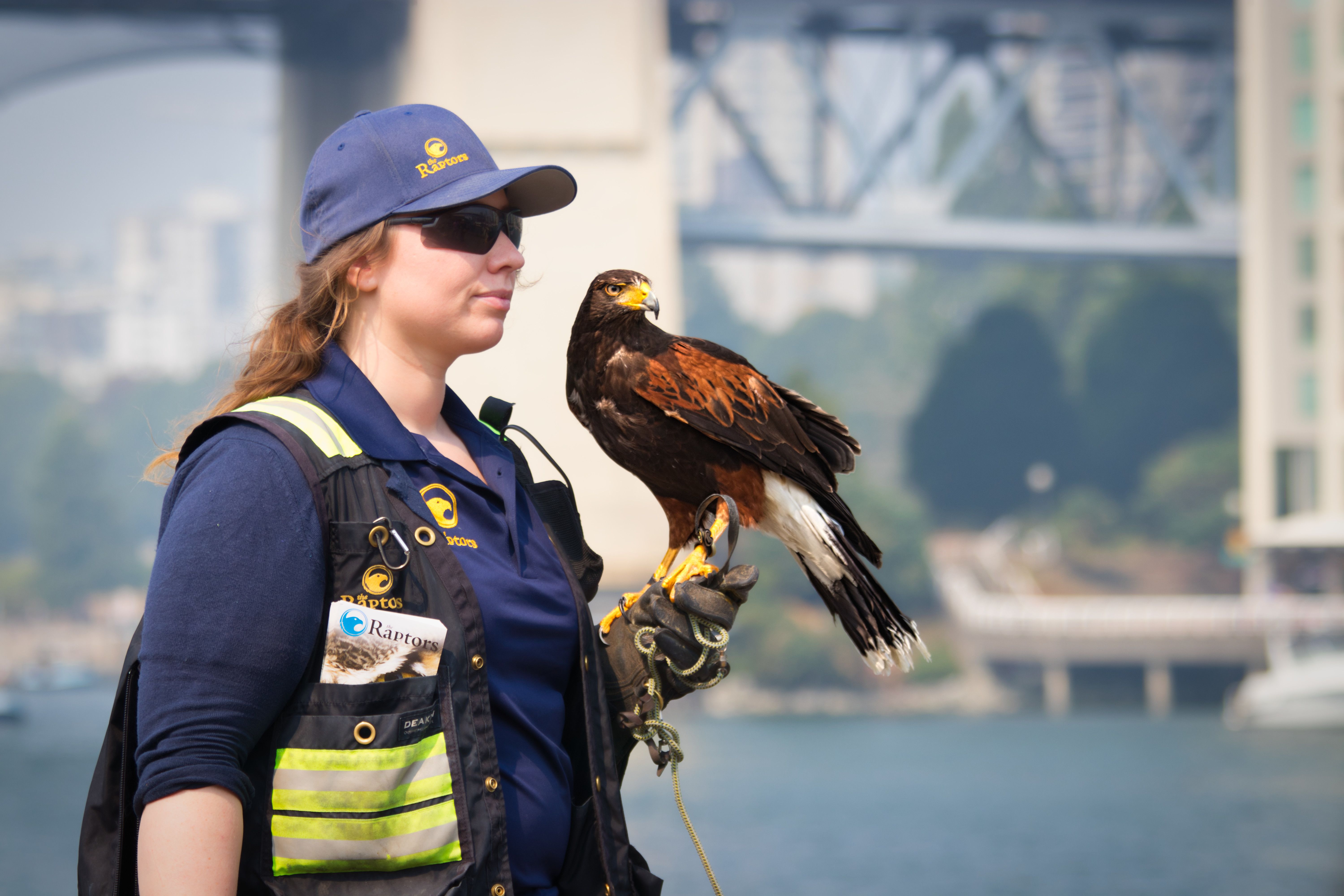
While sitting outside the Granville Island Public Market in Vancouver enjoying our dessert, we saw this woman walking around with this hawk. While many of the tourists wanted to take pictures of this beautiful bird (myself included), he wasn’t there to show off. He was busy at work. Hawks and other similar birds are used by the Raptors for problem bird control. The problem birds in this case were the sea gulls who like to harass the people outside the market eating. Based on the size of the gulls, they manage to eat pretty well. But not so much on this day, as when the hawk got close enough, the gulls had to choice but to fly away, a predator nearby is an uncomfortable situation for even the hungriest of birds.
Alaska is a pretty wild place. With so much untouched nature and seemingly endless forests, tundra, and mountains, it is no surprised that there are many bears, moose, goats, caribou, foxes, etc. This is great in that it means that there are opportunities for visitors to see these animals in their natural habitat. It also means that for some animals (like bears and moose), you need to be smart while you’re in the outdoors to avoid putting yourself in a dangerous situation. Mostly, this means keeping a fair distance between you and the animals and making noise so that you don’t surprise them in areas with enough foliage that they cannot see you coming. There is a sign at Kenai Fjords National Park giving advice on what to do if you encounter animals in the wild. The last on the list is “If the bear is eating you, fight back.” I hope to never need to put this knowledge into practice, but I’ll trust that it is sound advice.
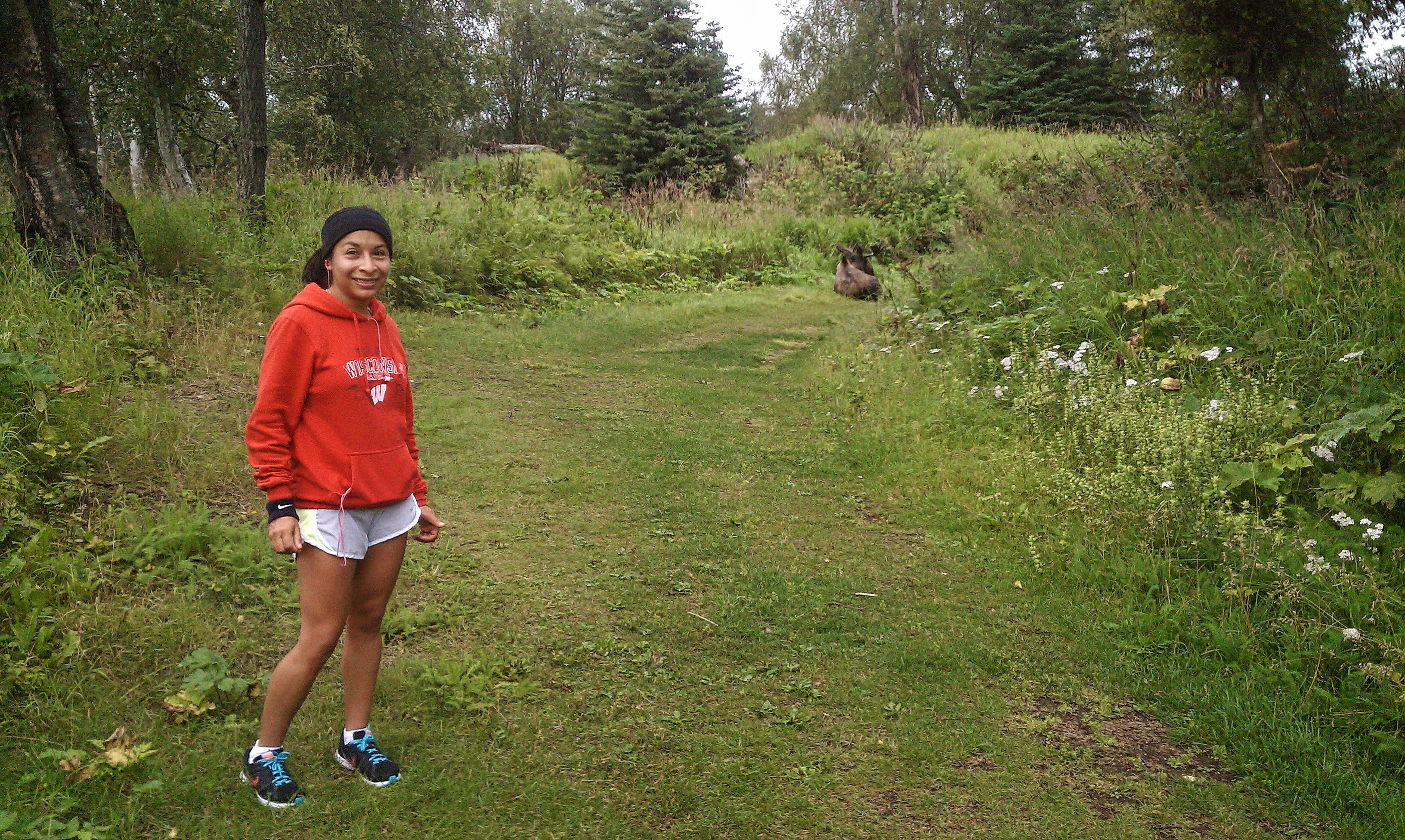
Moose in the middle of the trail
Large animals like bears and moose aren’t found only in the wild in Alaska. They are also often found in within the city limits of larger cities like Anchorage. One morning during our vacation in Alaska, my wife wanted to go for a run before starting our day. So, we went to Kincaid Park and jogged along the trails. I was in front of her and came around a bend in the trail to find this moose laying in the middle of the trail. She suggested going around him (a word of advice: bad idea, give moose plenty of space) but I insisted that we turn around and go back the other way. Before doing so, she insisted on getting a photo with her new friend.
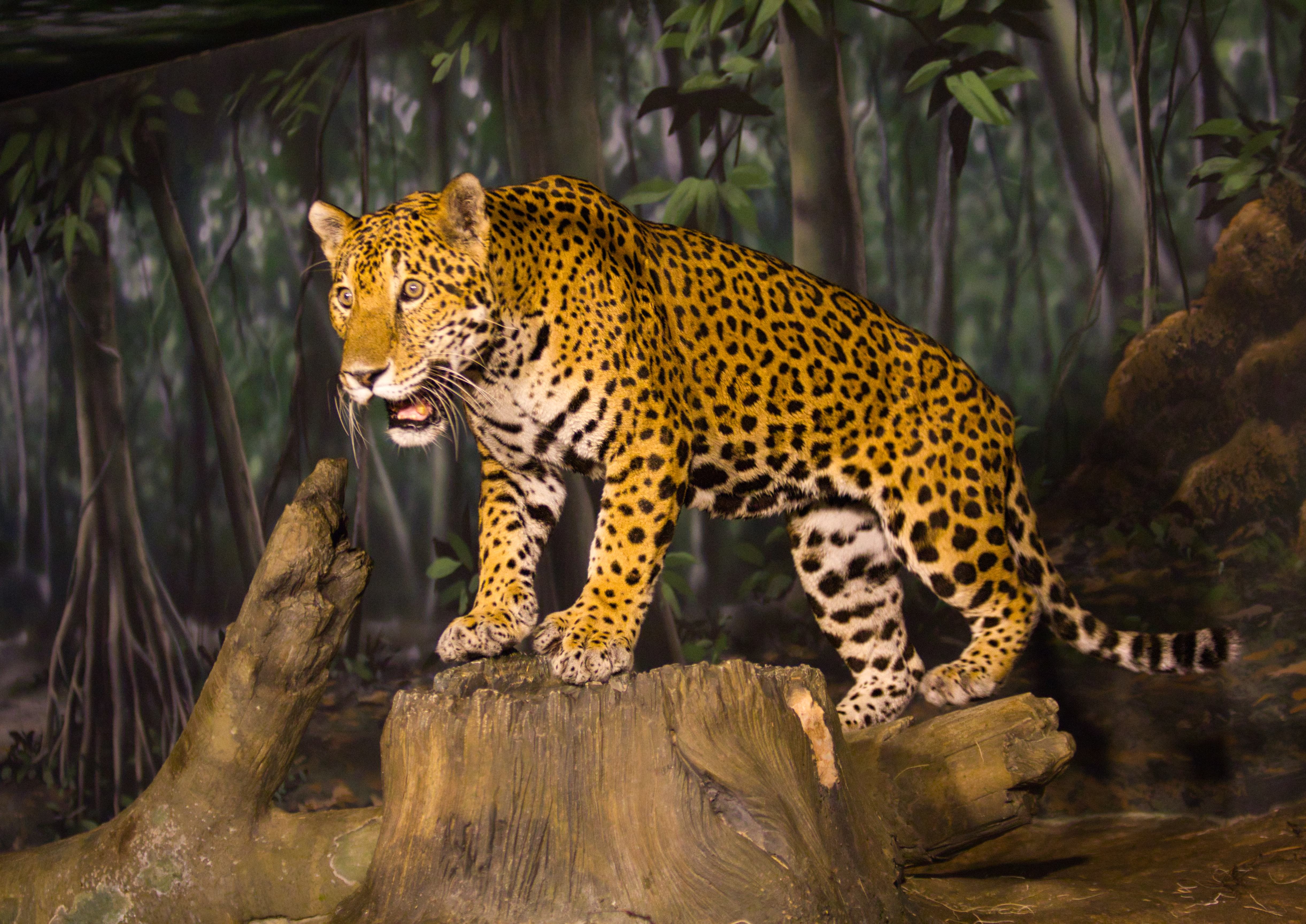
This is another photo I took at the Milwaukee County Zoo. I’m not sure what the leopard was looking at, but the surprised look on its face was priceless. Since all of the big cats are in enclosures that keep them a relatively large distance from people or with a thick layer of glass between the animals and people, it can be hard to get a good photo of them. Luckily, my timing on this photo was good.
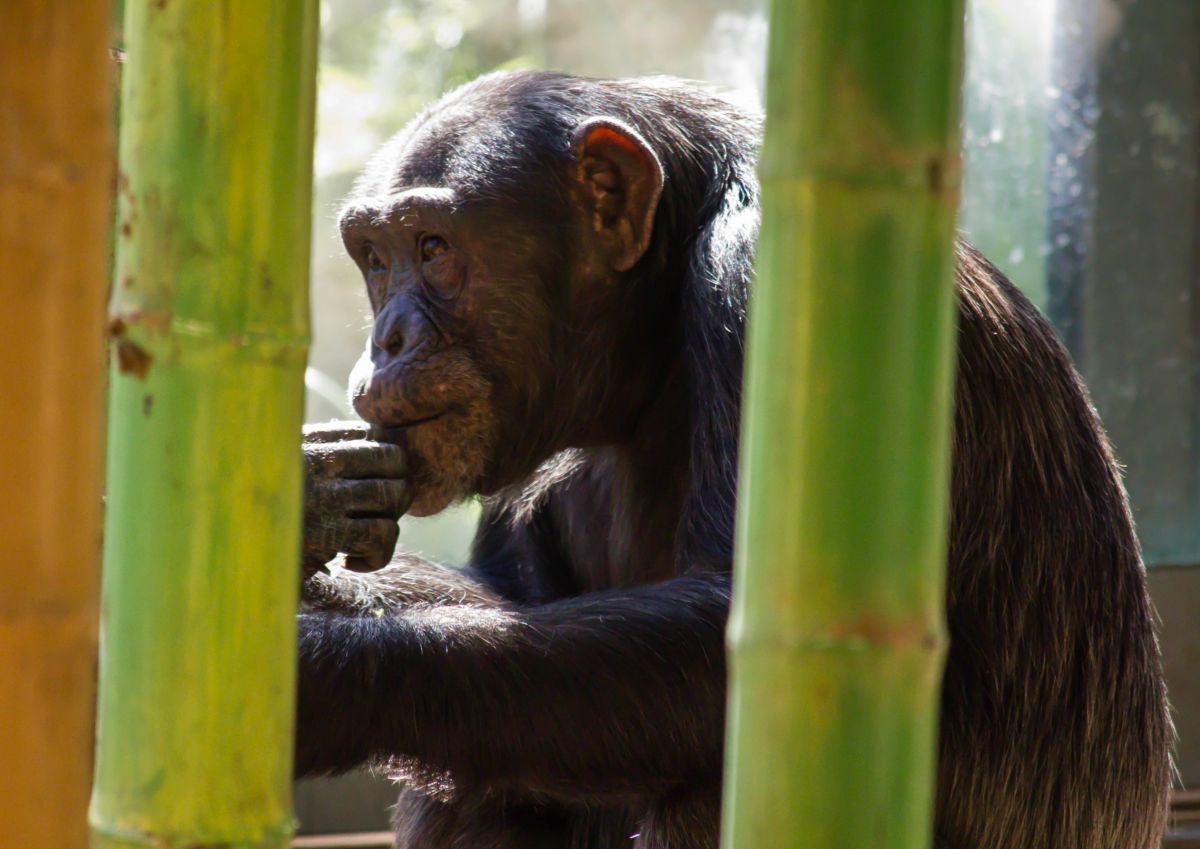
I took this photo at the Lincoln Park Zoo in Chicago. I find it kind of funny how we look for human mannerisms and expression of emotion in animals. I have no idea what this monkey was thinking about or if he was evening thinking at all, but if I had to guess, it had something to do with bananas.
In case you didn’t know, a baby goose is referred to as a gosling. The photo of this gosling was taken at Horicon Marsh, which is a great place to see birds. It was early enough in the spring that most of the plants had not really started growing yet, so as this gosling was walking alone between the remains of the plants from the previous year, it had a post-apocalyptic feel.
Zoos are a great place to take photos, especially if you are patient enough to wait for the animal you are trying to photograph to strike the right pose. Of course, they don’t always cooperate but when they do the results can be great. And photographing monkeys, zebras, giraffes, seals, penguins, and otters at the zoo is a lot easier and cheaper than photographing those animals in the wild for those of us without unlimited time and money. In addition, the money spent at a zoo goes towards educational programs, enrichment for the animals, and conservation efforts.
Oceans of Fun
This photo was taken during the Oceans of Fun Seal & Sea Lion Show at the Milwaukee County Zoo. The show was both entertaining and educational and when one of the seals did this circular pose, it seemed like the perfect time to get a photo.











 Adventures Beyond The Lens