The Mayan ruins of Chichen Itza are the second most popular ruins in Mexico, second only behind Teotihuacan. Chichen Itza is located in the Yucatán peninsula, meaning it can be easily visited as a day trip from Cancun. The Temple of Kukulcan, commonly referred to as El Castillo (the castle), stands out as the most impressive of the many structures located at Chichen Itza. The step pyramid is nearly 100 feet tall and at the spring and autumn equinoxes, if the sun is shining, its light hits the pyramid so that the shadows result in the appearance of a serpent wriggling down the staircase of the pyramid. How cool is that? Chichen Itza is a very impressive site and a great way to add a little culture to a vacation to the Yucatán peninsula. Compared to other ruins in the region, a lot of the jungle around the ruins has been cleared, which can be a positive in that it gives you a better view of the ruins but is also a negative in that it takes away from the feel of the ruins a little. Regardless, Chichen Itza is a great place to visit and a trip to the ruins can easily be combined with a visit to a nearby cenote, like Cenote Ik Kil.
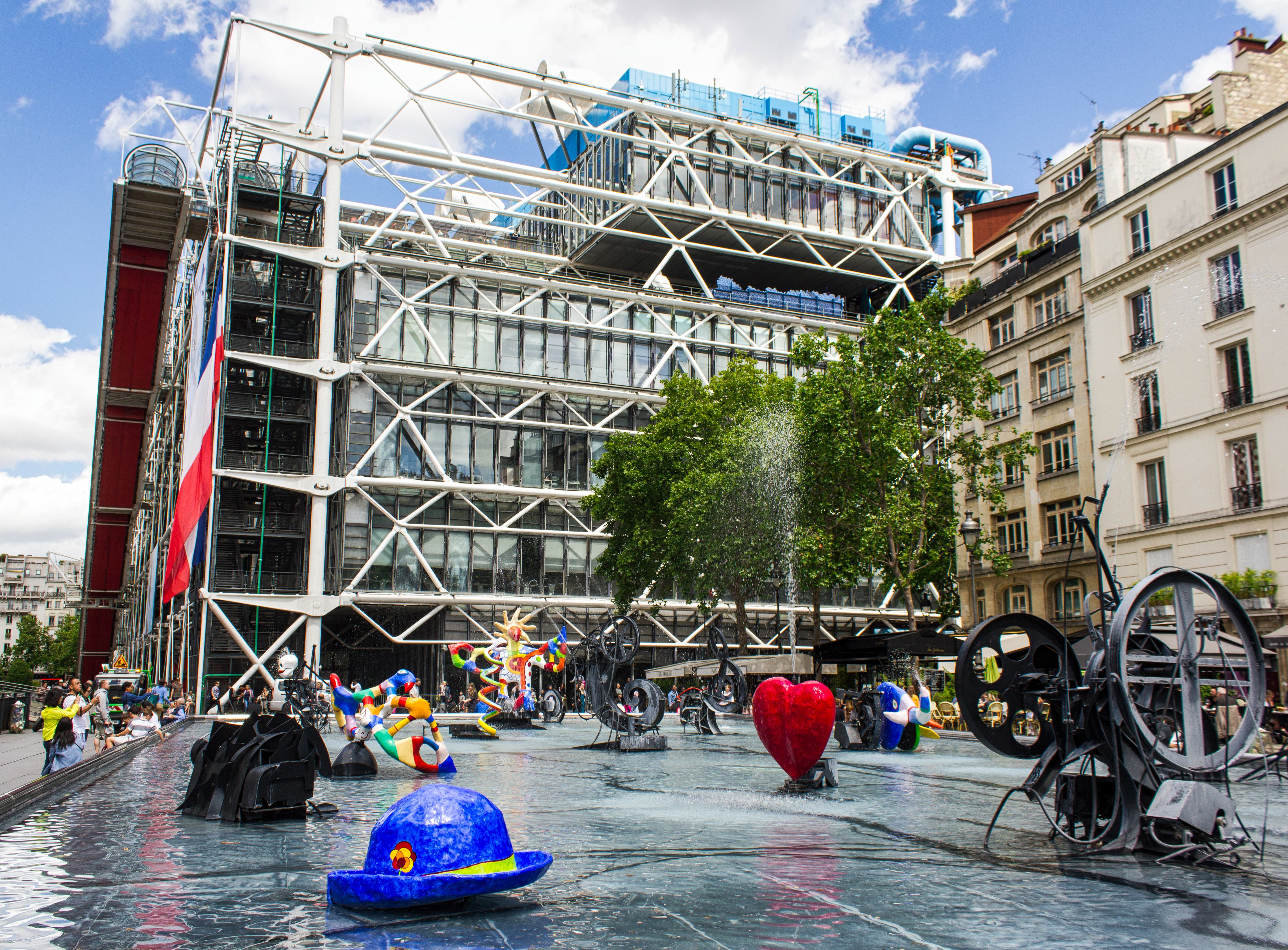
I’ve never gotten modern art. It’s just…strange. Obviously there are people that like it but I just don’t get it. Regardless, while on vacation in Paris last year we went to Centre Pompidou, which houses the Musée National d’Art Moderne, the largest modern art museum. We had purchased the Museum Pass for our time in Paris, which includes access to more than 60 museums in Paris and the surrounding area, so we didn’t have to pay extra to go in. If you go to Paris, I highly recommend the Museum Pass, it’s more convenient than buying individual tickets and if you go to enough museums, it is a great deal. The art inside the museum was not of much interest to me but the building is unique, as is this fountain alongside the building.
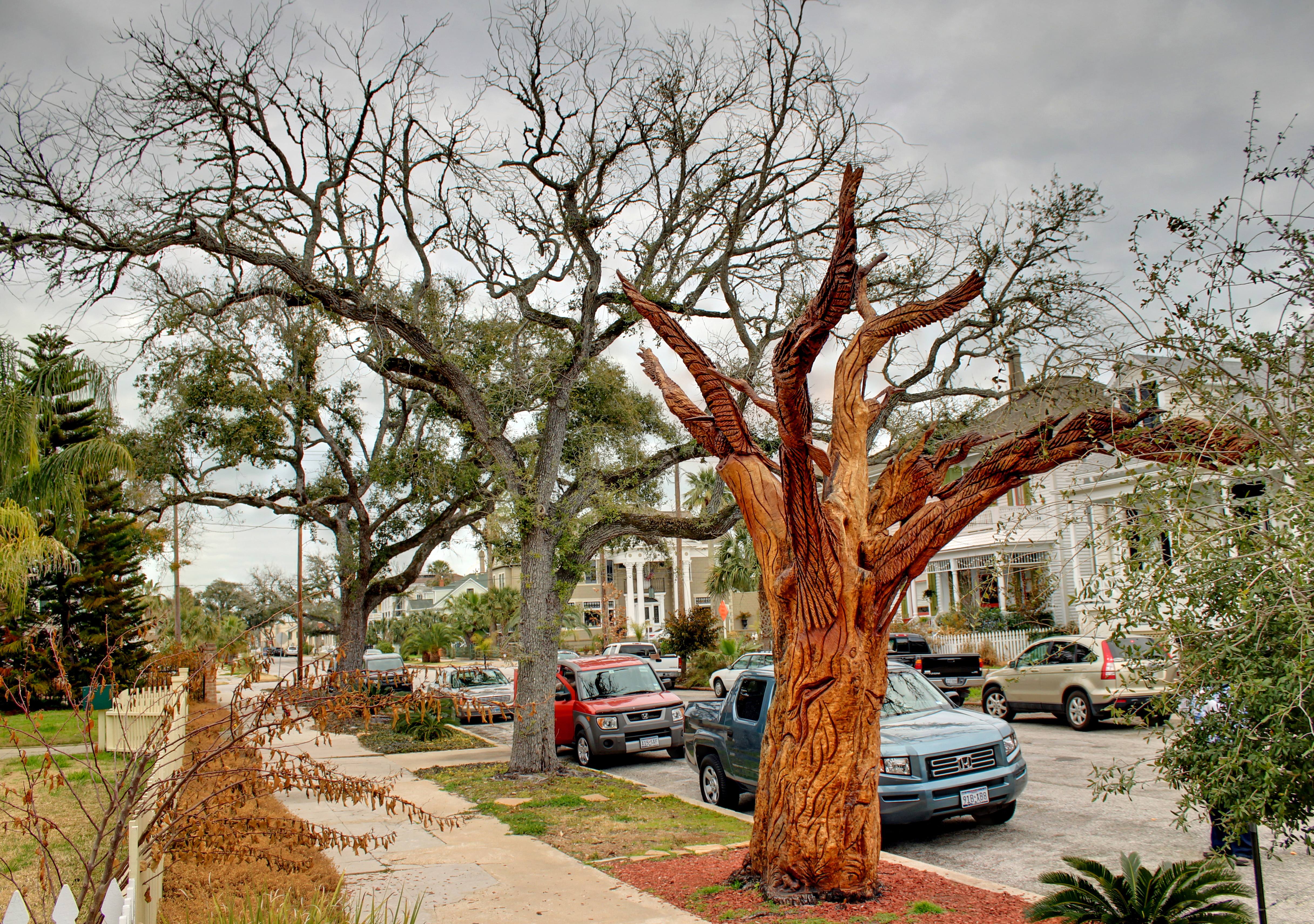
Galveston, Texas was hit pretty badly by Hurricane Ike in 2008 and many trees were destroyed. A local group had the great idea of turning the destroyed remains of some of the trees into works of art and today you can take a free self-guided tour of the more than 20 carvings scattered throughout Galveston. The sculpture in this photo is titled “Birds of Galveston.” My dad was the one who had the idea of taking the photo so that the neighboring trees that were spared by the hurricane are in the background.
This photo was taken in Moret-sur-Loing, France, which was about an hour outside Paris. I say was because the town no longer exists, not because it was wiped away by a natural disaster or anything like that, it simply merged with a neighboring town and the new town changed its name to Moret-Loing-et-Orvanne. And apparently this happened before I visited and I did not even know. Anyway, the town is very picturesque and was an inspiration to many famous painters, including Monet, Renoir, and Sisley. The town features a medieval gate at either end of the old town and just outside the gate on the east side there is a river with a nice walkway that provides some stunning views. This photo was taken with a Motorola cell phone that is now several years old. I also took a couple photos with my much more capable DSLR, but somehow the photo taken with my phone came out better. Regardless of the name, this town has a lot of charm, as you can hopefully see from this photo.
HDR, short for high dynamic range, is a type of photography which is used to capture a greater range of luminosity than is possible with standard photography. This is especially useful in high contrast situations (e.g., sunrise or sunset) because cameras are not able to capture the range of luminescence that our eyes are able to. So, that beautiful sunset that we see comes out with the sky looking great but the foreground completely black in our photos. HDR has been around for many years but started to really become popular about a decade ago. Trey Ratcliff, who runs the website Stuck In Customs, was the first photographer who got me interested in HDR photography. Looking back at my earlier attempts to create HDR photos, many of them have the classic “over-cooked” look that many people do not like about HDR. I got away from HDR photography for a while, partially because the software available was not incredibly user friendly, but started taking more HDR photos recently. I generally try to use HDR to capture the moment as I saw it (or at least how I remember it looking in the moment), but occasionally I go for something a little more artistic and less realistic. Most newer phones have an HDR mode built in that tries to replicate the more complex process of taking multiple photos and blending them together, but I still like the greater control of doing all of the processing on the computer.
Futuristic Chicago
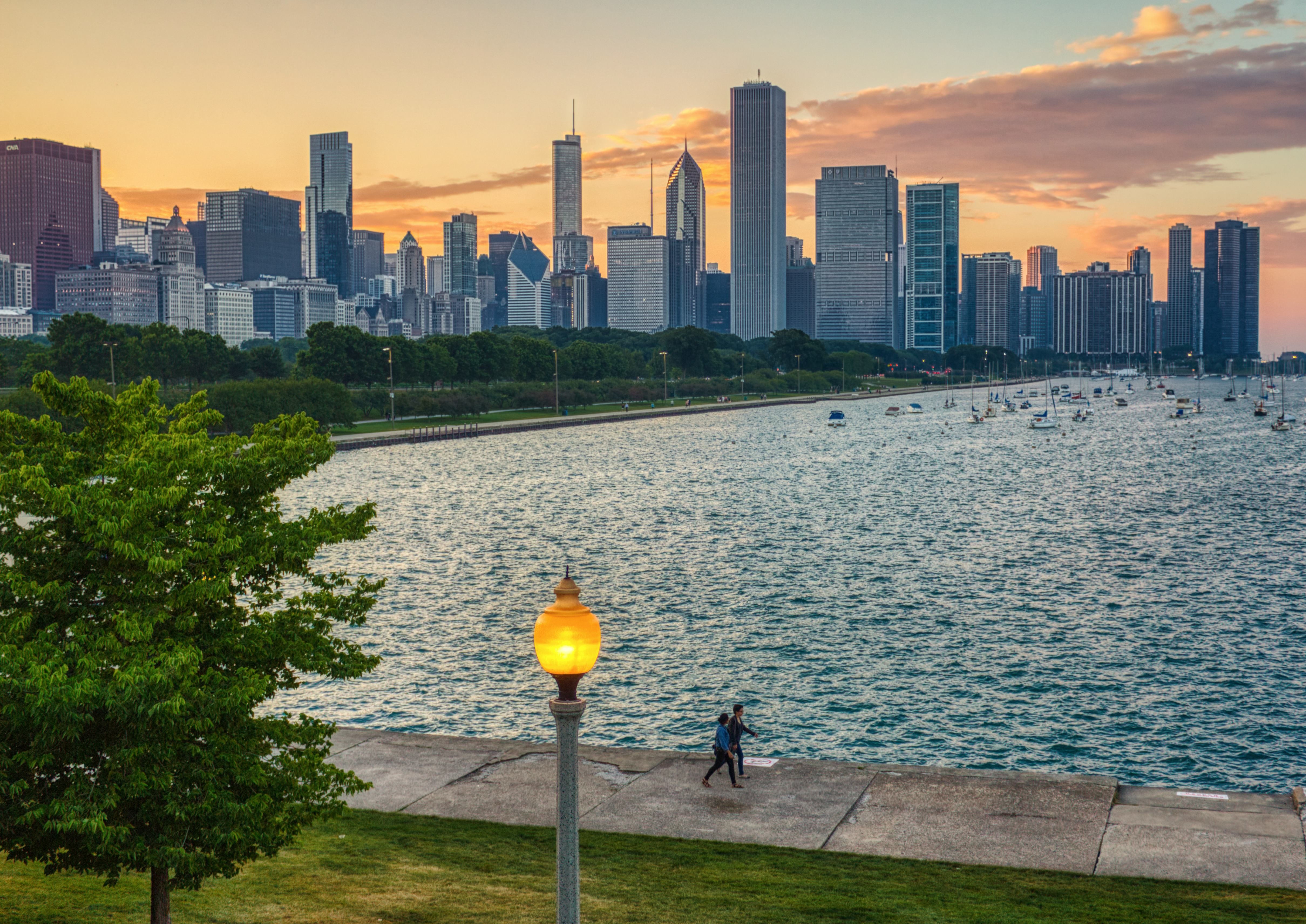
I took this photo on a photo walk in Chicago, led by Trey Ratcliff. When I started processing this photo, I wanted to make it look as realistic as possible, but somehow I ended up with this result. It has a futuristic look to me, not necessarily what the city will look like in the future, but how it would look in some low budget sci-fi movie. I’m not completely sure what it is, but there’s something I really like about this photo.
Èze is a small medieval village on the southern coast of France. The “streets” going through the old part of town are narrow and for pedestrians only, which adds to the charm of the village. In addition, the garden at the top of the village has a nice collection of cacti and features stunning views of the Mediterranean Sea below. Èze is easily accessible from both Nice and Monaco and has become a popular tourist destination.
Do Not Delete
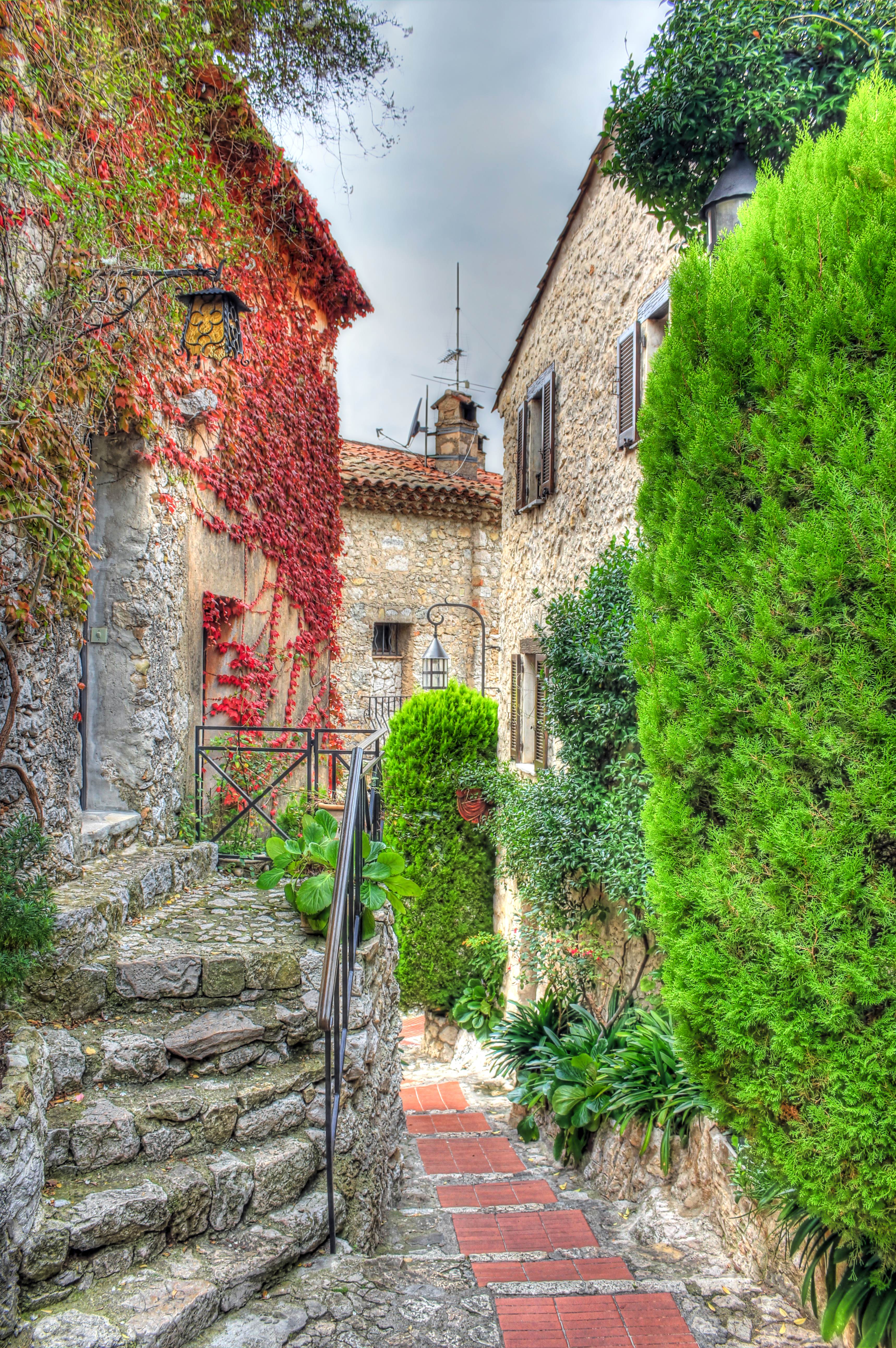
This photo was taken while wandering the streets of Èze. Luckily, it wasn’t very busy the day we visited, so I was able to get some nice photos without people in them. Unfortunately, this was 9 years ago and my photo editing skills were not as good back then as they are now. There are some things I wish I could go back and do differently with this photo but I foolishly deleted the original files after editing the photo and there is only so much that can be done with the JPEG file. Be smarter than I was my fellow photographers, save your RAW files, at least for your good shots, because someday you may want to go back and re-edit old photos and it is a lot better to have the RAW files to work with. That said, I still like this photo and feel like it captures the essence of Èze really well.
One of the great things about Paris is how easy it is to get around the city. The city is very walk-able and, like most major cities in Europe, has a great metro/bus system. While we were there we purchased the weekly pass (actually two of them since we were there over parts of two weeks) which not only covered transportation within the city but also to and from the airport, a couple train trips to small towns over an hour outside the city, and the train to Disneyland Paris, nearly an hour outside the city. At a little over $50 for the two weeks, it was an absolute steal. We also did lots of walking but so many of the sights (e.g., Louvre, Fontainebleau) require a lot of walking just to see them, so using public transit made the long days a little more manageable.
The Dog Walking Dog
I’ve seen many people walking dogs before but this was a first. On our way to the metro station near our hotel one morning, we saw a dog walker who had about half a dozen dogs. Well, the dog walker was walking about four dogs, while these two were doing their own thing. I wonder how you train a dog to walk another dog…
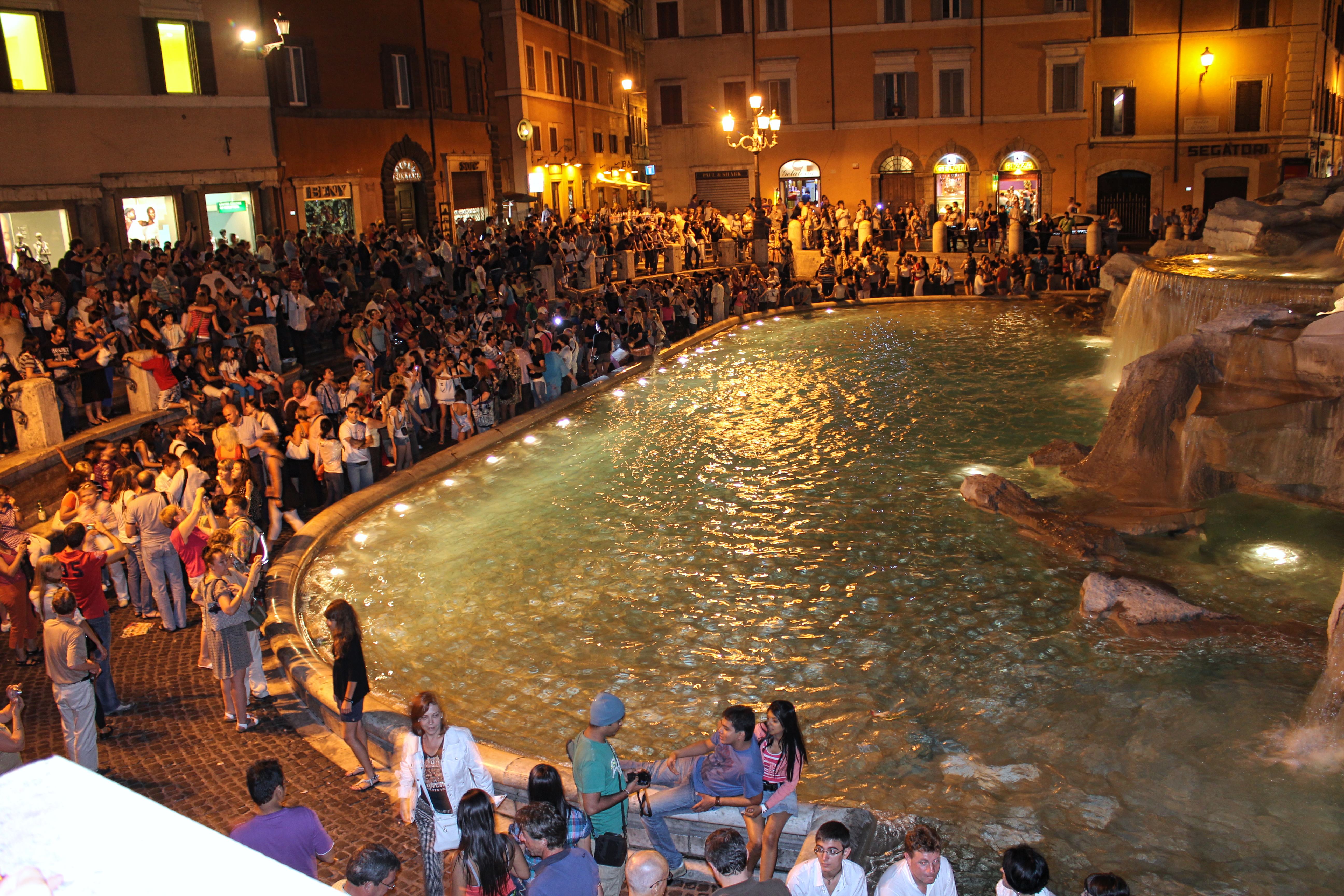
This is not one of the best photos I have ever taken. However, the adventure behind this story is worth telling. But before I get to that, I want to point out something funny I noticed about this photo. It was taken back in the summer of 2010. If you look closely at the crowd (if you click on the photo, you can view the full resolution version), you can see that everyone taking a photo is using a camera, mostly point and shoot cameras which have almost disappeared in the 8 1/2 years since this photo was taken. I would imagine if I took the same photo today, almost everyone would be using their cell phones to capture that magical moment.
The adventure to (and from) Trevi Fountain
In 2010, my wife and I worked for one of the major cruise lines. We signed off the ship we were working on in the morning in Rome, Italy but our flights weren’t until the following morning. So, after dropping off luggage at our airport hotel, we spent the day exploring Rome. After sightseeing all day, we had some dinner, then returned to see a few of the sights at night. The last of these was Trevi Fountain. We took the metro to the stop nearest Trevi Fountain on the line coming from near the Colosseum, thinking it would be easy to find from there but we were wrong. Eventually my wife used her limited Italian language skills to ask someone how to get to Trevi Fountain and we were on our way. But it was late, around 10:30pm and the final train leaving Roma Termini to get back to our hotel by the airport departed before midnight. This was before Google Maps and cell phones with GPS were common, so we had no idea whether we were 10 minutes or an hour away and no clue of how to get there other than retracing our steps to the metro station we had come from.
My wife looked at the fountain for about a minute then started walking back towards the metro station. I spent a couple minutes taking photos then ran after her. Our timing was not good, we just missed the train we needed at the metro station and had to wait 10-15 minutes for the next one, time we didn’t have to spare. We arrived at the Termini metro station which is connected to Roma Termini a little over 5 minutes before our train was supposed to depart and realized how incredibly massive the train station is. As we ran towards the platform our train was leaving from (conveniently as far away from where we were coming from as possible), we heard an announcement in Italian, not knowing what the announcement was but knowing just enough Italian to know it was about our train and assuming the announcement was that the train was about to depart.
Our run turned into a sprint, believing we had seconds, not minutes before the train would pull away. I made it to the train first and jumped on, looking back as she continued to run towards the train, still not confident she would make it before the train started moving. Fortunately, she did, and we had a seat on the mostly empty train and caught our breath. It turned out that the train departed several minutes late. We chatted with one of the few people seated near us as we waited for the train to depart. He was from New York and had come to Italy to visit a woman he had met online. She lived a couple hours from Rome and he had flown from New York to Rome but somehow didn’t see any of the sights in Rome which I found a little strange, but to each their own.








 Adventures Beyond The Lens